There is a specific kind of silence that haunts the dreams of every digital marketer. It is not the silence of a library or a peaceful countryside. It is the silence of a webinar room where the host is ready, the slides are polished, and the participant count is stuck at a lonely “1” — and that is just you, checking whether the audio works.
In 2026, the digital space is noisier than ever. Your audience is bombarded with notifications, AI-generated emails, and endless virtual invitations. To get them to click “Register” and actually show up, you cannot rely on luck. You need to leverage the hardwired psychological triggers that drive human decision-making.
If you want to move from “Is this thing on?” to a sold-out virtual event, you need a blueprint that combines behavioural science with modern website marketing — and that is exactly what this guide delivers.
The Psychology of “Yes”: Why Your Prospects Are Not Clicking (Yet)
Humans like to think we are rational creatures. We are not. We are bundles of biases and mental shortcuts. If your registration page feels like a chore, people will bounce faster than a rubber ball on a trampoline. Understanding why this happens is the first step to fixing it.
1. Cognitive Fluency: Make It Stupidly Simple
Cognitive fluency is the ease with which our brains process information. If your landing page has ten different font styles and a registration form that demands your job title, company size, and three business objectives, you have already lost.
In 2026, the best-performing webinar pages have a singular focus: one clear topic, one primary call to action, and nothing above the fold that competes for attention. Zest City, a UK digital agency specialising in conversion-focused web design, builds registration pages that strip away the noise and guide visitors straight to the “Sign me up” button. If your landing page is letting you down, explore our website design services to see what a properly optimised page looks like.
2. The Goal-Gradient Effect: Promise a Finish Line
The closer people feel to achieving a goal, the more motivated they are to take action. A vague webinar title like “Marketing Masterclass” gives the brain nowhere to run to. A specific title like “How to Double Your Lead Flow in 30 Days” plants a tangible finish line in the prospect’s mind. They can already picture the result — and that picture sells the registration.

3. Social Proof: The FOMO Factor
We are social animals. If we see a crowd gathering, we want to know what the fuss is about. There are two powerful social proof mechanisms you can use on your registration page:
- Authority Bias: Showcase speaker credentials, media mentions, and professional affiliations. People trust experts.
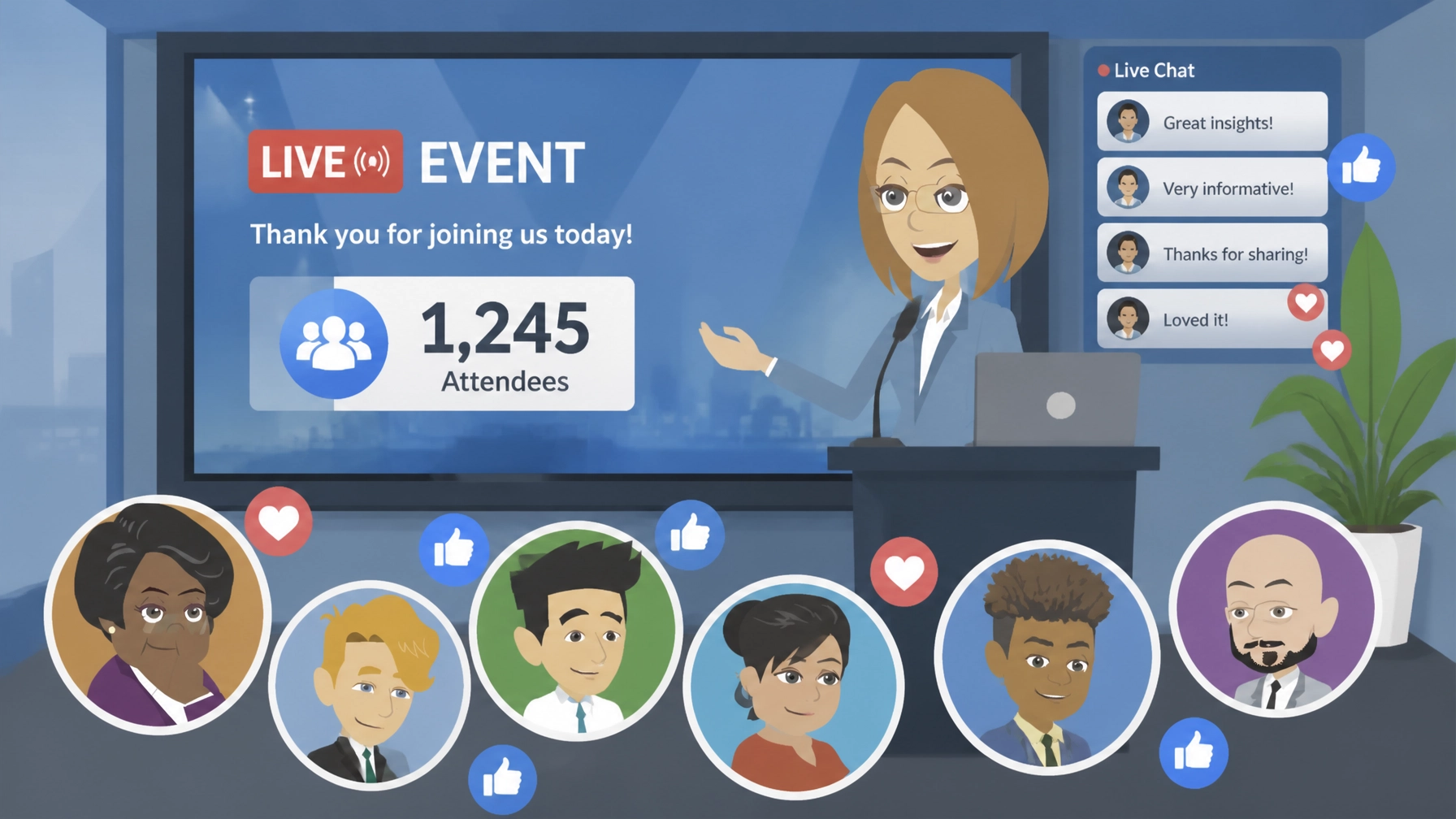
- The Bandwagon Effect: Display live or near-live registration numbers. “Join 500+ professionals already registered” is dramatically more persuasive than “Click here to register.”
If you are running recurring webinars, consider building a dedicated hub page for your events so that social proof accumulates over time rather than resetting with each new registration page.
2026 Webinar Conversion Benchmarks: What Does Success Look Like?
Before you launch your campaign, you need to know the numbers you are aiming for. The following benchmarks represent high-performing webinar funnels across North America and EMEA in 2026:
| Metric | Target Benchmark (2026) |
|---|---|
| Opt-in Rate (Cold / Paid Traffic) | 20% – 25% |
| Opt-in Rate (Warm / Organic Traffic) | 40% – 55% |
| Live Show-up Rate | 20% – 30% |
| Immediate “Book a Call” Rate | 7% of Registrants |
| Replay Engagement Rate | 15% of Non-Attendees |
If your numbers are consistently below these benchmarks, the issue is rarely the webinar content itself — it is almost always the funnel surrounding it.

The Digital Marketing Blueprint for Filling Your Webinar
Getting registrations requires a proactive, multi-channel approach. You cannot simply build a landing page and hope the right people find it. Here is how to build a system that consistently drives sign-ups.
SEO: Be Found Before the “Book”
Your webinar landing page should not be a temporary pop-up that disappears after the event. When optimised properly, it becomes a long-term asset that captures prospects who are actively searching for solutions to the exact problems your webinar addresses.
By targeting intent-based keywords — phrases people type when they are ready to learn or act — you attract warm traffic that converts at a far higher rate than cold paid audiences. Zest City’s digital media and SEO services are designed to make your event pages visible to the right people at precisely the right moment in their decision-making journey.
Social Media: Beyond “Post and Pray”
Posting the same link every day does not work, and most audiences have learned to ignore it. Instead, use a “Commitment and Consistency” strategy that creates micro-engagements before the event:
- Run a Poll: Ask your audience which of three sub-topics they most want to learn about. This generates engagement data and makes followers feel invested in the outcome.
- The Direct Message Hook: Reach out personally to everyone who voted. “Hi — I noticed you voted for Topic A. I am actually covering that in depth in my webinar next week. Would you like the registration link?” This personal touch dramatically increases show-up rates because the prospect has already made a small commitment to you.
- Behind-the-Scenes Content: Share short clips of your preparation, a preview slide, or a quick tip from the session. This builds anticipation without giving away the full content.
Combined with a well-planned social media marketing strategy, this approach can significantly lift both registration rates and live attendance.

Technical Checklist: Friction Is the Enemy at the Finish Line
You have the psychology right and the marketing is working. Do not let avoidable technical issues kill conversions at the last moment.
- Platform Familiarity: Use tools your audience already knows. In 2026, technical anxiety remains one of the most commonly cited reasons for no-shows. Zoom, Teams, and Hopin are all well-established — choose based on your audience’s familiarity, not your preference.
- The 60-Minute Rule: Unless you are delivering genuinely unmissable content, keep your webinar to 60 minutes. Your audience’s time is finite and they know it.
- Calendar Invites Over Confirmation Emails: Automated confirmation emails routinely land in the Promotions tab and are never seen again. Sending a direct calendar invite via Google Calendar ensures the event appears where your registrant will actually look.
- Reminder Sequencing: Send reminders at one week, 24 hours, and one hour before the event. Each reminder should contain a different hook — a new statistic, a speaker quote, or a question you will be answering live.
Staffing Your Webinar: The Often-Overlooked Variable
Even with perfect marketing, a poorly run webinar can damage your brand and suppress future registrations. The moderation, technical support, and on-screen facilitation roles all matter enormously to the attendee experience.
Zest City specialises in the recruitment and placement of skilled digital event professionals — from moderators and technical producers to event managers — across permanent, temporary, and fixed-term contracts. If you are scaling your virtual event programme and need experienced talent behind the scenes, our digital event recruitment services can help you build a team that makes every session run smoothly.
Final Thoughts: Filling Seats Is a System, Not a Stroke of Luck
Webinar marketing is not about broadcasting — it is about building connection before, during, and after the session. By understanding the psychology of your audience, their fears, their goals, and their mental shortcuts, you can construct a registration funnel that feels less like a sales pitch and more like a genuine service.
The frameworks in this guide — cognitive fluency, the goal-gradient effect, social proof, and multi-channel nurturing — are not trends. They are rooted in how human beings have always made decisions. Apply them consistently and your participant count will never be stuck on “1” again.
Zest City is a UK digital agency based in Kent and Essex, helping businesses across the South East and beyond to plan, market, and staff exceptional virtual events. If you would like an expert eye on your current webinar funnel, request your free digital audit today — it costs nothing and could be the most valuable 30 minutes you spend on your events programme this year.
Frequently Asked Questions: Webinar Registration Strategies
How can I increase my webinar registration rate in 2026?
To increase your webinar registration rate in 2026, focus on three core areas: reducing cognitive friction on your landing page, leveraging social proof (such as displaying registrant numbers and speaker credentials), and making an outcome-oriented promise in your event title. Data from high-performing webinar funnels suggests targeting a 20–25% opt-in rate for cold traffic and 40–55% for warm organic traffic. Combining an SEO-optimised landing page with a personalised social media outreach strategy consistently delivers the strongest results.
What is a good show-up rate for a webinar?
A good live show-up rate for a webinar in 2026 is between 20% and 30% of total registrants. Show-up rates are heavily influenced by how well you nurture registrants between sign-up and the event. A reminder sequence sent at one week, 24 hours, and one hour before the session — each containing a fresh hook or piece of value — can push attendance towards the upper end of this range. Sending a direct calendar invite rather than relying solely on confirmation emails also makes a measurable difference.
What psychological triggers are most effective for webinar marketing?
The most effective psychological triggers for webinar marketing include cognitive fluency (making your page effortless to process), the goal-gradient effect (giving prospects a clear, tangible outcome to aim for), social proof (displaying registration numbers and authority signals), and commitment and consistency (using polls and direct messages to create micro-commitments before the event). These principles are grounded in behavioural science and work across all audience types and industries.
How far in advance should I promote a webinar?
For most B2B and professional webinars, a promotional window of two to three weeks is optimal. This gives you enough runway to run social media engagement campaigns, build an email sequence, and allow SEO-driven organic traffic to accumulate. Promoting more than four weeks in advance risks high registration drop-off as people forget or lose interest; promoting less than one week in advance limits your reach significantly, particularly for cold audiences who need multiple touchpoints before committing.
Why do people register for webinars but not attend?
The most common reasons people register but do not attend include: forgetting the event (solved by a structured reminder sequence), technical anxiety about the platform, the event landing in their Promotions folder rather than their main inbox, or the registration page over-promising relative to what the webinar actually delivers. Sending direct calendar invites, using familiar platforms such as Zoom, keeping the session to 60 minutes, and ensuring your title accurately reflects the content all significantly improve live attendance rates.
How important is the webinar title for driving registrations?
The webinar title is one of the single most important factors in driving registrations. A vague title like “Marketing Masterclass” gives the prospect no reason to prioritise your event. A specific, outcome-focused title such as “How to Double Your Lead Flow in 30 Days” activates the goal-gradient effect — the brain can picture a clear result, which makes taking action feel worthwhile. Your title should answer the question: “What will I be able to do after attending this that I cannot do now?”
Can a digital agency help me market my webinars more effectively?