Digital event agencies have more ways to reach buyers than ever. They can use webinars, websites, email, search, social media, video and AI-powered tools to attract attention and create demand.
The challenge is cohesion.
A strong webinar cannot compensate for a confusing website. A busy social media account will not generate consistent leads if every post sends people to a weak landing page. And impressive event delivery becomes much more valuable when it is supported by a clear marketing system.
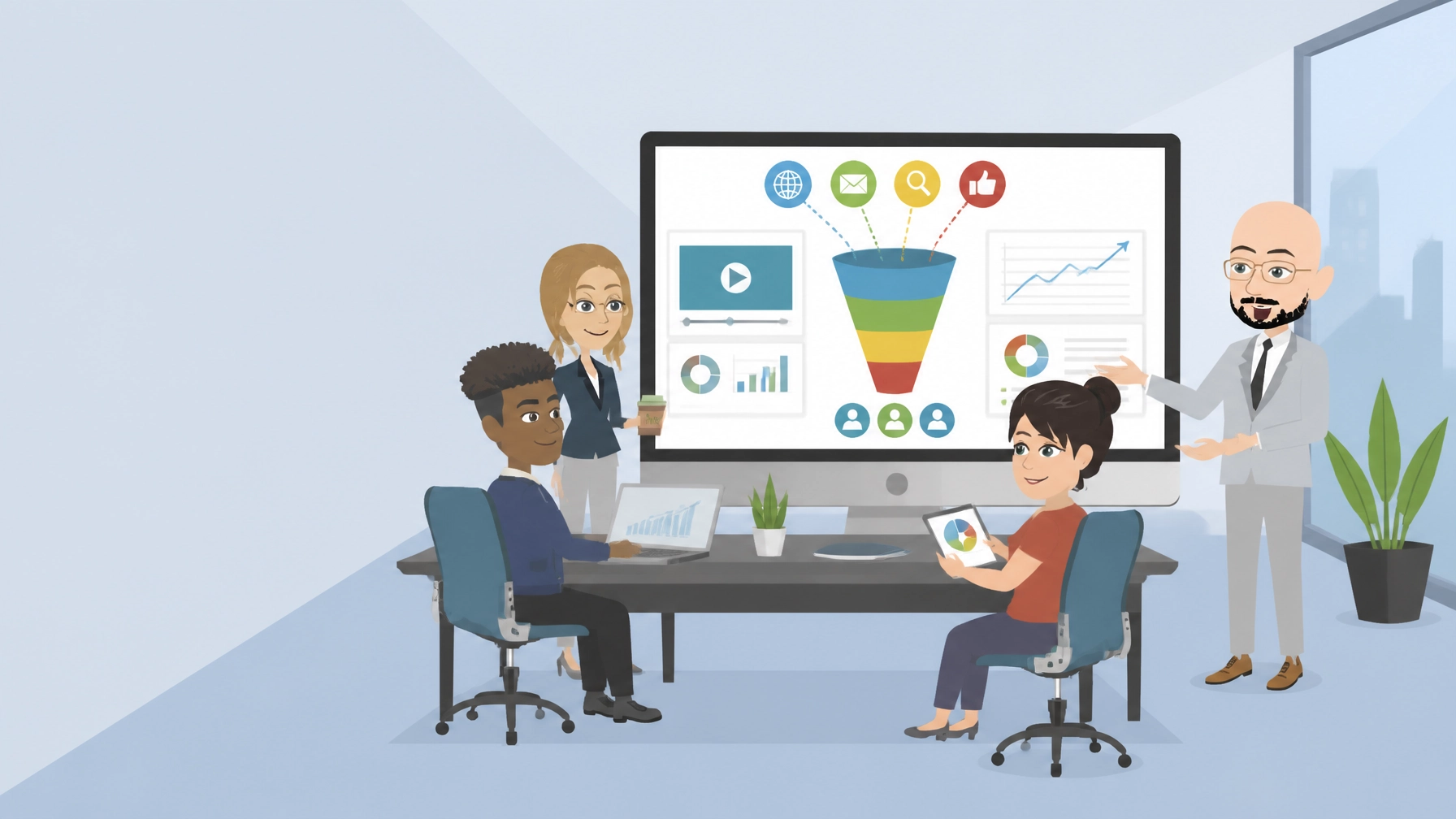
In 2026, the most effective digital event agencies will connect every channel to a single customer journey: discover, trust, engage, enquire and buy.
This guide explains how to build that system using practical website marketing strategies, content repurposing, search optimisation, social media and measurable lead generation.
What marketing strategies work best for digital event agencies in 2026?
The best approach combines five connected activities:
- A conversion-focused website
- Authority-building content
- Webinar and video marketing
- Social and email distribution
- Reliable measurement and optimisation
Event marketing research increasingly focuses on business outcomes rather than attendance alone. Registration numbers still matter, but agencies also need to demonstrate qualified leads, commercial opportunities, audience engagement and influenced revenue.
A useful 2026 strategy therefore connects:
| Marketing activity | Primary purpose | Business measure |
|---|---|---|
| Website landing pages | Convert interest into enquiries or registrations | Conversion rate |
| SEO and AI search visibility | Attract relevant prospects | Qualified organic traffic |
| Webinars and webcasts | Demonstrate expertise | Attendance, engagement and opportunities |
| Email marketing | Nurture prospects | Click-throughs and sales conversations |
| Social media | Build reach and credibility | Engagement and assisted conversions |
| CRM reporting | Connect activity to revenue | Pipeline and return on investment |
This integrated approach reflects the direction of current event marketing guidance from sources including Cvent, Attendir and Spotler.
How do you create a website marketing strategy for a digital event agency?
Your website should be more than an online brochure. It should explain your expertise, answer buyer questions and make the next step obvious.
Start by creating dedicated pages for your most commercially important services. For a digital event agency, these might include:
- Webcast management
- Webinar production
- Virtual event support
- Event platform consultancy
- Video editing
- Transcription and captioning
- Speaker and technical support
- Hybrid event delivery
Each page should focus on one audience problem. For example, a webcast management page could explain how the agency reduces technical risk, supports speakers, manages the live show and delivers post-event content.
Use a simple page structure:
- The problem: What is making the buyer’s event difficult?
- The solution: How does your agency help?
- The process: What happens before, during and after the event?
- The evidence: What experience, results or client feedback can you show?
- The next step: Should the visitor request a proposal, arrange a call or download a guide?
Your website design also needs to support the strategy. It should be responsive, accessible, quick to load and easy to navigate on mobile devices. Zest City’s website design services are built around custom, SEO-focused websites that support business objectives rather than simply looking attractive.
Build regional relevance into your website
Digital event agencies often serve international clients. That does not mean every visitor should receive identical messaging.
Create useful regional references for audiences in:
- The UK and wider EMEA
- North America
- London and the South East
- Essex and Kent-based businesses
For EMEA audiences, discuss time-zone planning, multilingual content, GDPR-conscious data handling and regional speaker coordination. For North American audiences, address larger geographic audiences, multiple time zones, partner marketing and scalable webcast delivery.
Do not create thin pages with only a location added to the title. Regional content should include genuinely useful information, relevant examples and clear service availability.
Which website marketing techniques build authority?
Authority is built when your agency consistently demonstrates practical knowledge. A list of services is not enough. Prospective clients want evidence that you understand their risks and can improve their outcomes.
Create content around the questions your audience asks before making a buying decision:
- How do you increase webinar attendance?
- What should a webcast production plan include?
- How can a digital event generate qualified leads?
- Should a company edit and repurpose every webinar?
- What is the difference between live event support and webcast management?
- How do you measure virtual event return on investment?
- How should EMEA and North American webinar campaigns differ?
Use a mixture of formats:
- Detailed guides
- Original research
- Webinar recordings
- Speaker interviews
- Case studies
- Checklists
- Benchmark reports
- Short explainer videos
- Search-friendly FAQs
A particularly effective strategy is to publish one original benchmark or dataset each quarter. You could compare registration rates, attendance, viewing time, audience questions or post-event conversions across different webinar formats.
Your own data is more persuasive than generic claims. It can also make your content more useful to search engines and AI systems looking for specific, evidence-based answers.
How can digital event agencies turn one webinar into a full marketing campaign?
A webinar should not disappear when the broadcast ends. It should become a source of content for several weeks.
A single session can produce:
- A full recording
- A professionally edited highlights video
- A written transcript
- A search-optimised article
- A speaker quotation graphic
- Short social media clips
- An email follow-up sequence
- A downloadable checklist
- A frequently asked questions page
- A sales enablement summary
This process improves efficiency while creating more opportunities for prospects to encounter your expertise.
For example, a webcast about improving virtual audience engagement could become:
- A landing page targeting webinar engagement searches
- A transcript with clear headings and speaker attribution
- A blog post answering the main audience questions
- Three short clips for LinkedIn and YouTube
- An email containing the recording and practical checklist
- A follow-up consultation offer for organisations planning a new event
This is one of the most useful marketing strategies for websites because it gives each campaign a longer lifespan and creates more internal linking opportunities.
How should social media and email support your website?
Social media should create interest, while your website should provide the full context and conversion point.
For a digital event agency, LinkedIn is likely to be central, but the format should vary. Share:
- Short clips from webinars
- Behind-the-scenes production insights
- Speaker and client lessons
- Practical event checklists
- Data-led observations
- Questions that encourage professional discussion
- Links to detailed website resources
Avoid sending every post to the home page. Link to the most relevant service page, webinar registration page or supporting article.
Email should then help move prospects through the buying journey. Segment contacts by:
- Region
- Job role
- Industry
- Webinar registration status
- Attendance
- Engagement level
- Previous enquiry or purchase
An attendee who watched a session on webcast production should receive different follow-up content from someone who downloaded a guide on video editing.
Zest City’s social media marketing services use platform-specific planning, content creation and performance analysis to help businesses communicate consistently across their channels.
What should digital event agencies measure?
The right marketing metrics depend on the commercial objective. Avoid reporting activity without explaining its business value.
Track performance across four stages:
1. Visibility
- Organic impressions
- Search clicks
- Social reach
- Video views
- Brand searches
- AI-generated search references, where measurable
2. Engagement
- Time spent on key pages
- Webinar registrations
- Email click-through rate
- Video watch time
- Questions asked during events
- Content downloads
3. Conversion
- Landing page conversion rate
- Enquiries
- Consultation requests
- Marketing-qualified leads
- Proposal requests
- Cost per qualified lead
4. Commercial impact
- Sales opportunities
- Pipeline influenced
- Conversion from attendee to opportunity
- Customer acquisition cost
- Revenue from repeat clients
- Return on marketing investment
Compare performance by channel and region. An EMEA campaign may generate fewer registrations but more valuable conversations, while a North American campaign may produce greater reach. The answer is not to choose one region automatically; it is to understand the quality and commercial value of the response.
How can Essex, Kent and London businesses improve their digital marketing?
Local businesses do not need to choose between regional visibility and international ambition.
A digital media strategy for an Essex, Kent or London business can combine:
- Location-focused service pages
- Google Business Profile optimisation
- Case studies featuring relevant sectors
- Local networking and partnership content
- Targeted paid search
- Technical website improvements
- Social content for regional audiences
- Clear service areas and contact options
The website should make it easy for a local prospect to understand where you operate, what you offer and how quickly they can start a conversation.
A free digital audit for businesses in Kent can help identify weaknesses in website structure, visibility, user experience and digital systems. The same principles can support businesses across Essex and London.
A practical 90-day marketing plan
Use this simple schedule to move from disconnected activity to a repeatable marketing system.
Days 1–30: Build the foundation
- Review your website navigation and service pages
- Define your ideal audiences in EMEA and North America
- Set up consistent conversion tracking
- Identify five priority content topics
- Improve your main enquiry and webinar landing pages
- Create a clear content repurposing workflow
Days 31–60: Publish and distribute
- Publish one detailed authority article
- Run one educational webinar
- Create short clips, a transcript and follow-up email content
- Share content through LinkedIn and relevant partner channels
- Test one paid campaign against a high-intent service
- Add internal links between related pages
Days 61–90: Measure and improve
- Compare performance by region and channel
- Review which pages generate qualified enquiries
- Improve weak calls to action
- Publish a case study or original benchmark
- Retarget engaged audiences where appropriate
- Build the next webinar around the questions prospects asked
The goal is not to be present everywhere. It is to make every channel support the same commercial journey.
Final thoughts
The strongest marketing strategies for digital event agencies in 2026 will be joined-up, evidence-led and focused on buyer outcomes.
Your website should provide the foundation. Webinars should demonstrate expertise. Repurposed content should extend campaign value. Social media and email should distribute useful ideas. Measurement should show which activity creates meaningful commercial progress.
If your website, content and event marketing currently operate separately, start with one audience, one service and one measurable goal. Build the system around that priority, then expand.
Zest City’s website marketing services combine SEO, content, digital advertising, email and performance analysis to help businesses become more visible and generate better opportunities.
- Website Marketing Strategies That Stop Content Ghosting

- Recruiting for Digital Events in 2026: How to Attract and Hire Top Industry Talent
- Marketing for Digital Event Agencies in 2026: Strategies That Build Authority and Drive Leads
- Job-Seeking in the Virtual Event Sector: A 2026 Guide to Landing Your Next Role