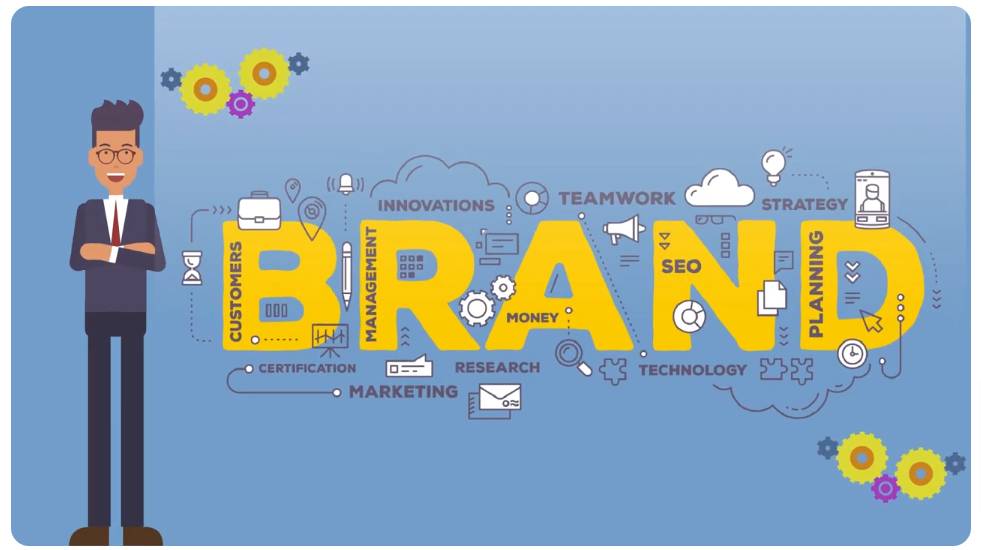
Consumers nowadays are more aware than ever of the impact companies have on society and the environment. This awareness has shifted the focus from merely selling products and services to building brands that resonate with a sense of purpose. This is where Corporate Social Responsibility (CSR) comes in. A well-executed CSR strategy can transform a company into a purpose-driven brand, creating deeper connections with customers, employees, and the community at large.
What is Corporate Social Responsibility in Branding?
Corporate Social Responsibility (CSR) refers to a company’s efforts to contribute positively to society while conducting its business. This can range from environmentally friendly practices to supporting social causes and ensuring ethical operations. In branding, CSR becomes a way for companies to communicate their values and commitment to making a difference.
As Scott Whitehead, a leading expert in corporate identity, points out, “Brands are no longer just about products; they are about values. A strong CSR strategy can define your brand’s identity and purpose in the eyes of your consumers.”
The Importance of a Purpose-Driven Brand
A purpose-driven brand is one that stands for something greater than its products or services. It aligns its business objectives with a larger societal or environmental cause. This approach not only differentiates the brand in a crowded market but also builds loyalty among consumers who share the same values.
For example, brands like Patagonia and Ben & Jerry’s have successfully integrated CSR into their core business strategies. Their commitment to environmental sustainability and social justice has made them iconic examples of purpose-driven brands.
What is Purpose-Driven CSR?
Purpose-driven CSR goes beyond occasional charitable donations or green initiatives. It’s about embedding social and environmental responsibility into the very fabric of the company’s operations and culture. This approach ensures that every business decision, from sourcing materials to marketing campaigns, aligns with the company’s values and long-term vision for positive impact.
As Dr. Stephen Covey, author of The 7 Habits of Highly Effective People, famously said, “Begin with the end in mind.” For companies, this means defining their purpose and using CSR as a roadmap to achieve it.
The Role of Storytelling in CSR and Branding
Storytelling is a powerful tool in building a purpose-driven brand. It allows companies to communicate their CSR efforts in a way that resonates emotionally with their audience. By sharing stories of real impact—whether it’s reducing carbon footprints, empowering local communities, or promoting diversity and inclusion—brands can create a narrative that engages and inspires their customers.
Gary Vaynerchuk, a digital media expert, emphasizes the importance of authenticity in storytelling: “Your story is the most valuable asset you have. Make it genuine, make it compelling, and make it matter.”
Why CSR Matters to Consumers
Consumers today are more likely to support brands that align with their personal values. According to a study by Cone Communications, 87% of consumers said they would purchase a product because a company advocated for an issue they cared about, while 76% would refuse to buy if they found a company supported an issue contrary to their beliefs.
This shows that CSR isn’t just a nice-to-have; it’s a key driver of consumer behaviour. Brands that fail to take their social and environmental responsibilities seriously risk losing market share to more conscientious competitors.
Top Tips for Building a Purpose-Driven Brand through CSR
- Define Your Purpose: Clearly articulate what your brand stands for and how it aligns with your business goals. This purpose should guide all your CSR initiatives.
- Engage Your Stakeholders: Involve your employees, customers, and partners in your CSR efforts. This not only builds trust but also creates a sense of shared responsibility.
- Be Transparent: Communicate your CSR goals, challenges, and successes openly. Transparency builds credibility and strengthens your brand’s reputation.
- Tell Compelling Stories: Use storytelling to showcase the impact of your CSR initiatives. Share stories that highlight the positive changes your brand is making in the world.
- Measure and Report: Regularly track and report on your CSR efforts. Use this data to refine your strategies and demonstrate your brand’s commitment to continuous improvement.
- Integrate CSR into Your Brand Identity: Ensure that your CSR values are reflected in every aspect of your brand, from your marketing materials to your corporate culture.
- Stay Authentic: Consumers can easily spot inauthentic efforts. Ensure that your CSR activities are genuine and aligned with your brand’s core values.
Conclusion
Building a purpose-driven brand through CSR is not just a trend; it’s a necessity in today’s business environment. By defining a clear purpose, engaging stakeholders, and using storytelling to communicate your impact, you can create a brand that not only stands out in the market but also makes a meaningful difference in the world.
For more insights on building a strong corporate identity and the role of CSR in branding, check out our other articles on Building a Strong Corporate Identity and The Role of Corporate Social Responsibility in Modern Business.