Welcome to 2026. If you thought the “pivot to virtual” in 2020 was a wild ride, hold onto your headsets. We’ve moved well past the “can you hear me?” era and into a sophisticated, high-stakes world of digital-first engagement.
In the webinar and virtual event space, the talent landscape across EMEA and North America has shifted considerably. It is no longer simply about finding someone who can click “start broadcast.” Today, businesses are seeking what we call Digital Orchestrators — professionals who blend technical expertise with production craft and a deep fluency in data analytics.
Zest City is a UK digital agency with over 20 years of experience at the intersection of digital media and specialist recruitment. We have watched hybrid events mature from novelty to necessity, and the “Zoom room” evolve from a workaround into a polished production environment. If you are looking to scale your virtual events team in 2026, this is your blueprint for navigating the talent market with confidence.
The State of Play: EMEA vs. North America in 2026
The labour market has cooled slightly from the frantic heights of the Great Resignation era — but do not let that lull you into complacency. For specialised roles in virtual event production and digital marketing, competition for the right people remains fierce. Generalist hiring approaches simply do not cut it in this space.
| Trend | North America (USA & Canada) | EMEA (UK, Europe, Middle East & Africa) |
|---|---|---|
| Market Velocity | Stabilising; strong “skills-over-degrees” movement gaining momentum. | Tight in specialist hubs such as London, Berlin, and Dubai. |
| Top Candidate Priority | Pay transparency and clear, aggressive career progression. | Flexibility, work-life balance, and long-term job security. |
| Key Skill Gap | AI-driven event automation and advanced data analytics. | Multi-lingual production capability and cross-border compliance knowledge. |
| Average Hiring Timeline | 40+ days for specialist roles. | Slightly longer, owing to notice periods and local employment law requirements. |
Why Is the Virtual Event Sector Different?
Unlike generalist marketing or communications roles, webinar talent demands a unique psychological profile. You need someone who remains entirely calm when a keynote speaker’s broadband drops mid-session during a global product launch — with 3,000 attendees watching. This capacity for “calm under digital fire” is the gold standard in 2026, and it cannot be taught overnight.
What Do Candidates Actually Expect in 2026?
If you want to attract the top tier of producers, broadcast managers, and digital event directors, you need to stop hiring as though it were 2019. In the virtual events space, skilled candidates hold considerable leverage — their expertise is globally portable and in genuinely short supply.
1. Radical Transparency Is Now the Baseline
In 2026, if your job advertisement does not include a salary range, most experienced candidates will not even click “Apply.” They want to know the full compensation package, any bonus structure, and — crucially — the technology stack they will be expected to master from day one. Opacity at the application stage is seen as a red flag, not a negotiating tactic.
2. Flexibility Is Non-Negotiable
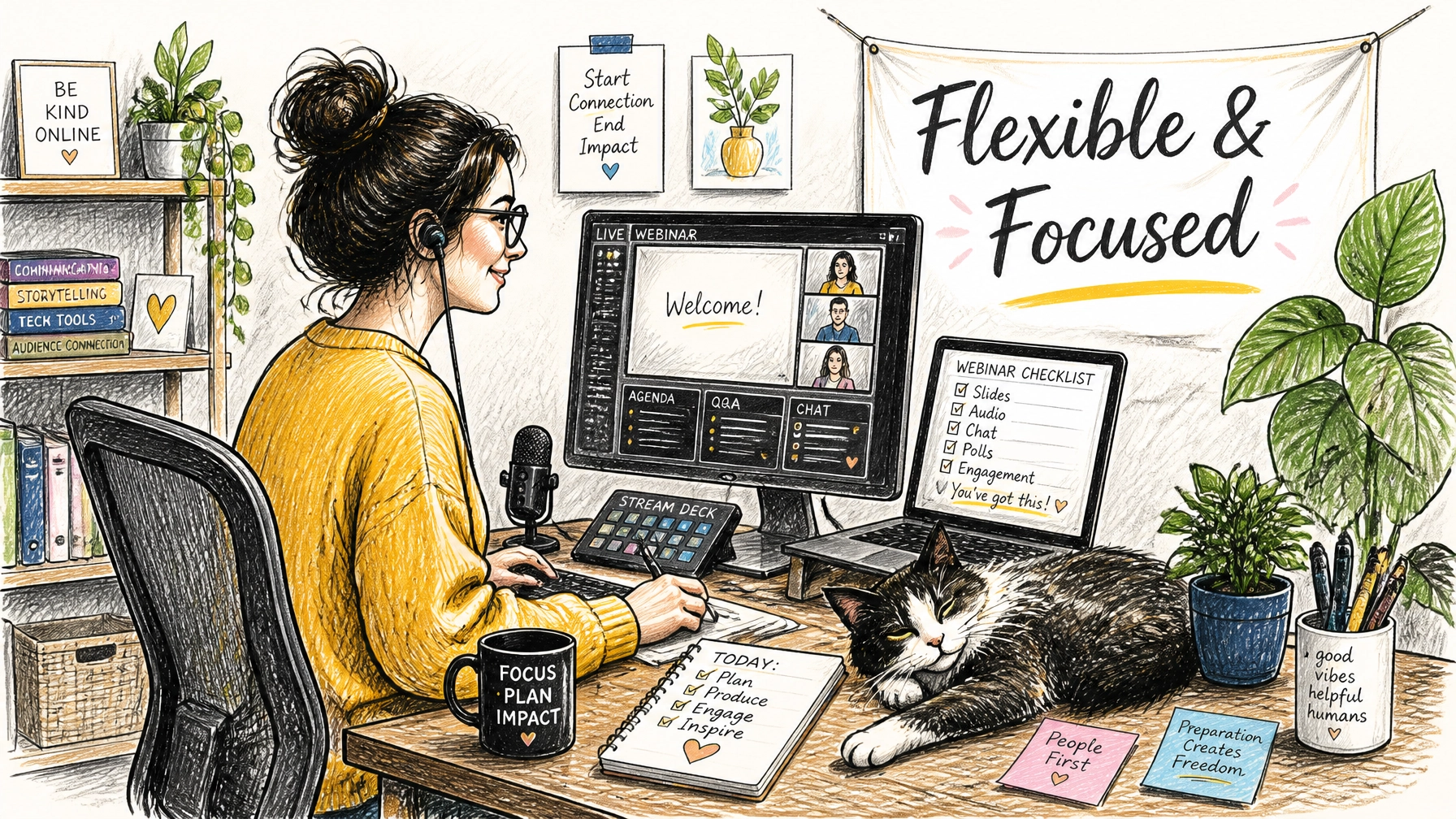
This goes beyond “working from home on Fridays.” Top virtual event candidates expect outcome-based performance measurement. They do not want to be monitored by keystrokes or judged on hours logged; they want to be assessed on the quality and ROI of the broadcasts they deliver. Whether a producer streams your webinar from a London studio or a home office in Lisbon is largely irrelevant, provided the results are there.
3. The AI Co-Pilot Expectation
Candidates entering the market in 2026 arrive with an expectation that your organisation already has modern, AI-integrated workflows in place. They do not expect to spend three hours manually transcribing recordings or chasing down caption files. They expect automation for editing, live captioning, lead scoring, and post-event analytics. If your digital infrastructure feels outdated, candidates will interpret it as a ceiling on their own professional development — and they will go elsewhere.
This is one reason why forward-thinking businesses are investing in AI integration services before they begin their hiring process. The tools you offer are part of your employer brand.
How to Win the Competition for Webinar Talent
Hiring effectively in the virtual events space requires a combination of recruitment expertise and genuine digital media knowledge. This is precisely where most generalist recruitment agencies fall short — they do not know the difference between a Webcast Manager, a Broadcast Producer, and a Virtual Event Director, let alone how to assess for the nuanced skills each role demands.
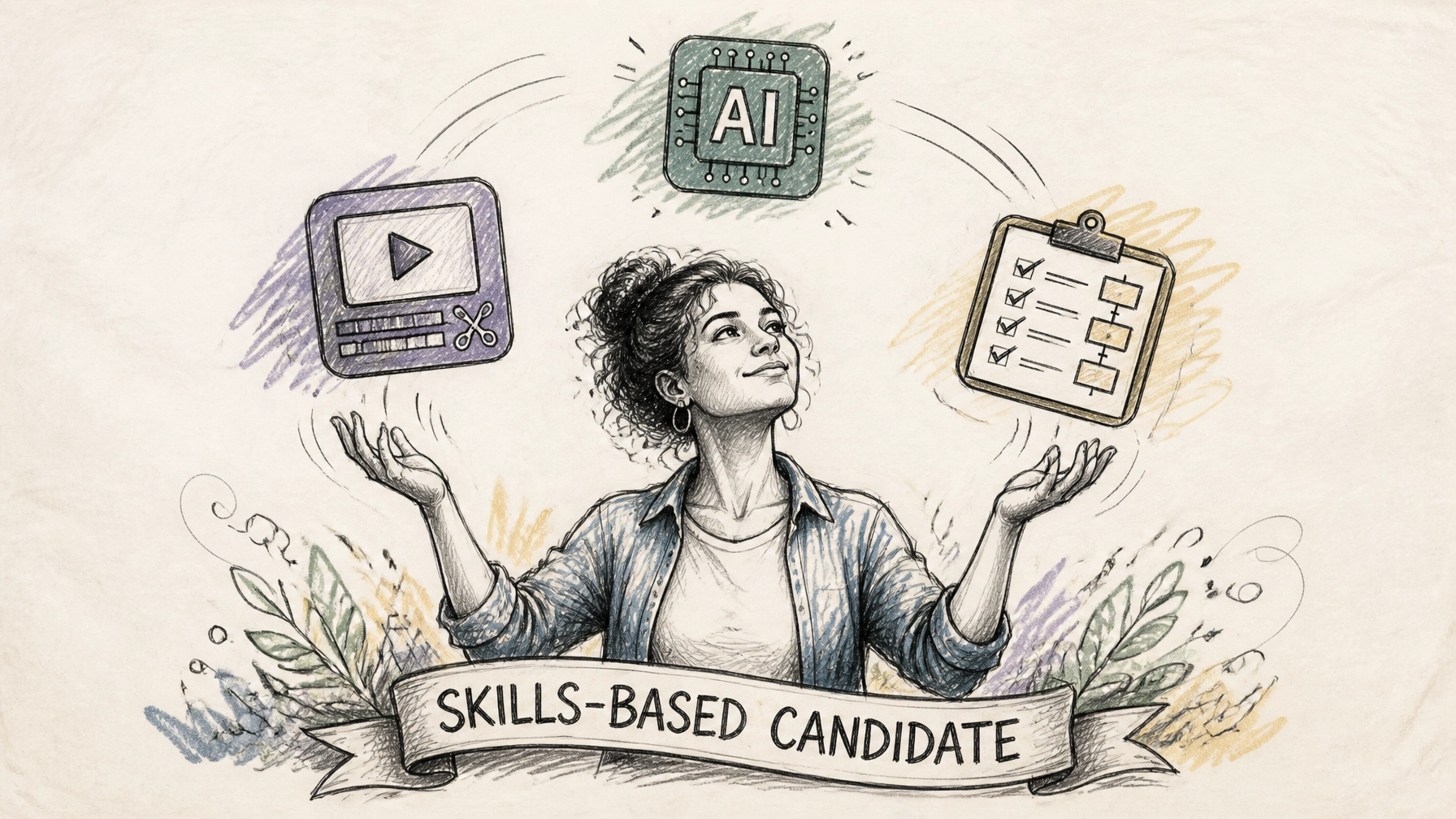
Focus on Skills-Based Hiring
Stop searching for ten years of experience in a platform that has existed for three. Instead, design your assessment process to test for the competencies that genuinely matter:
- Platform Agility: Can the candidate move confidently between ON24, Hubilo, Hopin, or Zoom Events without losing their composure?
- Audience Engagement: Do they understand how to deploy polls, AI-powered chatbots, and breakout sessions to sustain energy in a virtual room?
- Crisis Management: Present a real scenario: the main broadcast feed has dropped 12 minutes in. What is their recovery plan for the next 30 seconds? How they answer this question tells you more than a CV ever will.
- Data Literacy: Can they interpret post-event analytics and use that insight to improve the next broadcast?
Leverage Your Global Talent Pool Intelligently
Because many virtual event roles are remote-first by nature, your potential talent pool is genuinely international. This is an enormous advantage — but it comes with real complexity around time zones, employment law, and cross-border compliance. In EMEA particularly, there is a growing cohort of highly skilled technical producers in Eastern Europe and South Africa who can support UK-based events teams with exceptional results.
Managing a distributed team effectively also requires having the right digital media management infrastructure in place, so that communication, content, and production workflows remain seamless regardless of where your people are based.
Consider the Full Spectrum of Contract Types
Not every virtual events hire needs to be a permanent, full-time appointment. In 2026, the most agile organisations are building blended teams that combine core permanent staff with specialist contractors brought in for peak periods, major global events, or specific technology rollouts.
- Permanent placements suit roles such as Head of Virtual Events or Senior Broadcast Producer, where institutional knowledge and team leadership are paramount. Explore Zest City’s permanent placement services for digital events.
- Fixed-term contractors are ideal for a 6–12 month programme of events or a specific product launch series. Learn more about our fixed-term contractor recruitment for the digital events industry.
- Temporary and freelance specialists provide the flexibility to scale up quickly for a single summit or conference, without long-term overhead. See how Zest City sources temporary digital event staff across the UK and internationally.
Understanding which engagement model fits each role — and your organisation’s budget cycle — is one of the most valuable things an experienced specialist recruiter brings to the table.
Zest City: Your Specialist Recruitment Partner for Digital Events
Zest City, a UK digital agency and specialist recruiter based in Kent and Essex, has spent over two decades building a vetted network of digital event professionals across the UK, the US, and key EMEA markets. We do not simply fill roles; we understand the technical requirements of each position because we live and breathe digital media, web marketing, and AI-integrated production ourselves.
When you work with Zest City, you gain a recruitment partner that can assess whether a candidate truly understands broadcast workflows, not just one that matches keywords on a CV. Whether you need a freelance operator for a one-off global summit or a permanent Head of Virtual Events, we bridge the gap between “adequate” and “exceptional.”
If you are a candidate looking to take your next step in the digital events industry, our candidate resources page is the best place to start.
Conclusion: The Human Element in a Digital World
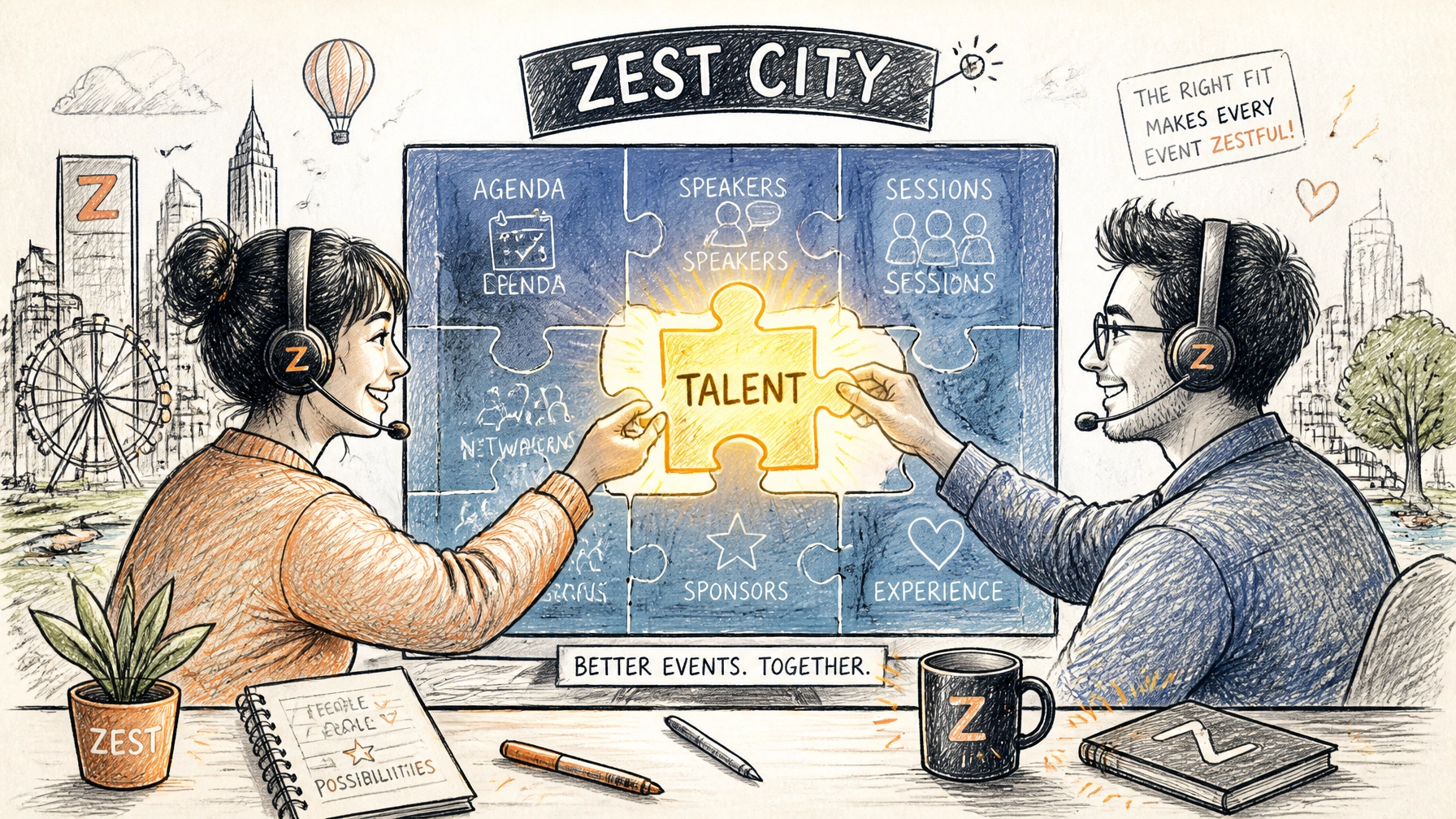
As 2026 unfolds, the technology powering virtual events will continue to advance. AI will handle more of the operational lifting. But the beating heart of a successful webinar has not changed: it is human connection. The best talent in this sector knows how to use every digital tool at their disposal to make an attendee in New York feel genuinely present with a speaker in London.
If your 2026 growth strategy involves scaling your virtual event presence, do not leave your hiring to chance. Prioritise transparency, genuine flexibility, and real-world skills assessment. The organisations that get this right in 2026 will build teams that are not just competent — they will be genuinely competitive.
Ready to build your 2026 virtual events team?
Zest City specialises in sourcing permanent, fixed-term, and freelance talent for the digital events industry across the UK, EMEA, and North America. Tell us what you need and we will help you find the right people — fast.
Frequently Asked Questions: Webinar Talent and Digital Event Hiring in 2026
What skills should I look for when hiring a webinar producer in 2026?
In 2026, the most sought-after webinar producers combine platform agility (the ability to operate across tools such as ON24, Hopin, and Zoom Events), real-time crisis management, audience engagement strategy, and a working knowledge of AI-powered production workflows. Data literacy — the ability to interpret post-event analytics and apply insights — is increasingly essential. Zest City’s specialist recruitment team assesses candidates across all of these competencies when placing digital event professionals.
How long does it take to hire a specialist virtual events professional in EMEA?
For specialist roles in the UK and broader EMEA region, organisations should typically allow 40–60 days for a permanent hire, factoring in candidate notice periods (commonly one to three months in the UK), local employment law requirements, and the limited size of the specialist talent pool. Working with a specialist recruiter such as Zest City can significantly reduce this timeline, as we maintain an active network of pre-vetted digital event candidates.
Should I hire a permanent employee or a contractor for my virtual events team?
This depends on your event calendar and budget structure. Permanent hires are best suited to ongoing, high-volume event programmes where institutional knowledge and team leadership matter. Fixed-term contractors work well for defined programmes of 6–12 months. Freelance or temporary specialists are ideal for one-off summits or rapid scale-up situations. Many organisations in 2026 are building blended teams that use all three models. Zest City offers recruitment services across all three engagement types for the digital events industry.
Why