The advent of 5G technology is set to revolutionise how we consume and produce content. As businesses, marketers, and content creators navigate this new frontier, understanding the implications of 5G is crucial. This blog post delves into the impact of 5G on digital media, offering insights and practical strategies to leverage this technology effectively.
What is 5G?
5G, the fifth generation of mobile network technology, promises unprecedented speed, reduced latency, and enhanced connectivity. Unlike its predecessors, 5G is designed to handle the increasing demands of modern digital communication, supporting a wide array of devices and applications. This technological leap enables faster data transfer rates, improved network reliability, and greater capacity to connect multiple devices simultaneously.
The Impact of 5G on Media
Enhanced Streaming and Video Quality
One of the most significant impacts of 5G on media consumption is the enhancement of streaming services. With higher data speeds and lower latency, 5G enables seamless streaming of high-definition (HD) and 4K content, even on mobile devices. This improvement enhances user experience, making it possible to watch videos without buffering or lag.
Interactive and Immersive Experiences
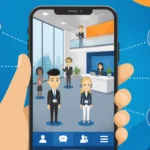
5G’s capabilities extend beyond traditional media consumption. The technology supports augmented reality (AR) and virtual reality (VR) applications, providing more immersive and interactive experiences. This advancement opens new opportunities for content creators to engage audiences in innovative ways, from virtual tours to interactive advertisements.
Faster Content Downloads and Uploads
For media producers, 5G accelerates the process of uploading and downloading large files, such as high-resolution videos and complex graphics. This speed enhances productivity, allowing creators to share content more efficiently and collaborate in real-time, regardless of their location.
Expert Insight
Gary Vaynerchuk, a digital media expert, highlights the transformative potential of 5G: “5G will fundamentally change how we consume and interact with media, opening up endless possibilities for innovation and engagement.”
How 5G Technology Impacts Digital Marketing
Real-Time Data and Analytics
5G enables marketers to collect and analyse data in real-time, providing deeper insights into consumer behaviour. This capability allows for more targeted and personalised marketing campaigns, enhancing customer engagement and conversion rates.
Improved Mobile Advertising
With 5G, mobile advertising can become more dynamic and interactive. Marketers can leverage AR and VR technologies to create engaging ad experiences that capture users’ attention and drive higher engagement. Additionally, faster data speeds ensure that these rich media ads load quickly and run smoothly on mobile devices.
Enhanced Customer Experiences
5G supports the seamless integration of various digital touchpoints, providing a more cohesive and personalised customer experience. From responsive customer service chatbots to personalised content recommendations, 5G technology allows businesses to meet customer needs more effectively.
Internal Link
For more insights on effective marketing strategies, check out our post on effective website marketing strategies for events.
How 5G Affects Social Media
Faster Loading Times
One of the immediate benefits of 5G for social media users is faster loading times. High-speed connectivity ensures that videos, images, and other media-rich content load instantly, enhancing the overall user experience.
Enhanced Live Streaming
Live streaming is a major component of social media engagement. With 5G, live streams can be broadcast in higher quality with minimal delay, providing a more authentic and engaging experience for viewers. This improvement is particularly beneficial for influencers, brands, and events relying on real-time interaction.
More Interactive Content
5G facilitates the creation and sharing of more interactive content on social media platforms. Features such as live polls, AR filters, and interactive stories become more accessible and engaging, driving higher user participation and engagement.
External Link
For additional tips on leveraging 5G for social media, visit Social Media Examiner.
The Impact of 5G on the Internet of Things (IoT)
Enhanced Connectivity
5G significantly enhances the connectivity and communication between IoT devices. With higher data speeds and reduced latency, 5G ensures that IoT devices can transmit data more efficiently and reliably. This improvement is crucial for applications such as smart homes, connected cars, and industrial automation.
Real-Time Monitoring and Control
The low latency of 5G allows for real-time monitoring and control of IoT devices. This capability is particularly valuable in industries such as healthcare, where real-time data from connected devices can improve patient care and outcomes.
Increased Device Capacity
5G can support a higher density of connected devices per square kilometre compared to previous generations. This increased capacity is essential for the continued growth and expansion of IoT ecosystems, enabling more devices to operate simultaneously without network congestion.
Checklist for Leveraging 5G in Digital Media
- Ensure your content is optimised for high-speed, high-resolution streaming.
- Explore AR and VR applications to create more immersive experiences.
- Implement real-time data analytics for targeted marketing campaigns.
- Utilise interactive mobile ads to engage users.
- Enhance live streaming quality and engagement on social media.
- Integrate 5G-enabled IoT devices for real-time monitoring and control.
Conclusion
The impact of 5G on digital media consumption and production is profound, offering new opportunities and challenges for businesses and content creators. By understanding and leveraging the capabilities of 5G, you can enhance your digital media strategy, deliver superior customer experiences, and stay ahead in the rapidly evolving digital landscape.
Explore our digital media services to learn how we can help you navigate the 5G revolution.