By Scott Whitehead, Founder & Director at Zest City
Managing a high-performing virtual event team in 2026 is vastly different from how things operated just a few years ago. As businesses across EMEA, North America, and hubs like London, Kent, and Essex lean further into digital-first and hybrid event strategies, the pressure on producers, moderators, technical directors, and content marketers has intensified.
When your team is distributed across multiple time zones, keeping morale high and turnover low is one of your most critical operational challenges. Burnout creeps in silently behind glowing monitors, and without a deliberate retention strategy, top talent easily drifts toward competitors offering better work cultures.
So, how do you keep your virtual event professionals energised, motivated, and committed to your agency or enterprise?
In this comprehensive guide, we will break down the exact blueprint top-performing organisations use to cultivate thriving remote event teams, backed by actionable frameworks and proven retention systems.
Why Virtual Event Team Retention Matters More Than Ever in 2026
The virtual and hybrid event sector operates at a relentless pace. From live webcasts and interactive webinars to complex multi-day digital summits, the margin for error is razor-thin. When an experienced producer or technical lead resigns, it doesn't just leave an open seat, it disrupts upcoming client campaigns, degrades event delivery quality, and strains remaining staff.
Consider how structured engagement and management frameworks directly impact operational metrics:
| Retention Strategy Focus | Primary Benefit | Key Impact on Virtual Teams |
|---|---|---|
| Clarity & SMART Goals | Eliminates ambiguity | Reduces cognitive fatigue during live broadcasts |
| Systemic Engagement | Sustained emotional connection | Lowers burnout rates among technical staff |
| Structured Growth Paths | Clear career progression | Improves long-term staff loyalty and retention |
| Asynchronous Recognition | Peer-to-peer appreciation | Strengthens cross-time-zone team cohesion |
Building a resilient workforce requires moving away from reactive firefighting and adopting proactive talent management. For agencies building robust online ecosystems, whether upgrading custom web platforms or refining digital media infrastructure, keeping staff aligned with company growth is paramount.

How to Build Clarity, Trust, and Ownership in Your Event Crew
Motivation starts with clarity. In a traditional office, team members absorb direction through casual conversations. In remote environments, silence is often misinterpreted as indifference.
1. Define Clear SMART Goals for Every Event
Every producer, host, and technical specialist needs to know what success looks like. Establish specific, measurable, achievable, relevant, and time-bound objectives for each event, whether that is attendee engagement rates, chat interaction frequency, or post-event net promoter scores (NPS).
2. Connect Daily Tasks to Broad Business Impact
When a team member spends hours testing streaming latency or updating slide decks, it can feel monotonous. Show them the bigger picture. Explain how their meticulous preparation contributes directly to client satisfaction, brand reputation, and company revenue. When people see their line of sight to business impact, intrinsic motivation surges.
3. Maintain Transparent Communication Channels
Create psychological safety where team members can voice technical hurdles or creative fatigue before burnout sets in. Use shared project management hubs to keep run-of-shows, asset checklists, and timelines visible to everyone.
Treating Engagement as a Repeatable System, Not One-Off Perks
Many managers make the mistake of treating employee engagement as an occasional pizza party or a sporadic virtual quiz. In 2026, employee retention is a continuous, systematic infrastructure.
- Always-On Infrastructure: Establish persistent digital spaces, such as dedicated recognition channels, casual coffee hangout rooms, and async collaboration boards.
- Scheduled Cadence: Layer structured team-building, skill-sharing workshops, and wellness sessions into your monthly calendar without overwhelming daily schedules.
- Balanced Flexibility: Ensure that roughly forty percent of team activities cater to asynchronous participation, accommodating staff working across different international time zones.
When you integrate these routines into your broader operations, partnering with specialized digital services or optimising your online presence through structured website marketing services, your team recognizes that leadership invests seriously in their work environment.

Practical Strategies to Motivate Virtual Event Teams across EMEA and North America
Keeping distributed teams engaged requires intentional rituals that foster human connection despite physical distance.
Implement Recognition Rituals
Start weekly team syncs with a quick "kudos round" where team members publicly celebrate a colleague's recent win. Highlighting specific achievements reinforces positive behaviours and makes staff feel valued.
Run Small-Group Virtual Coffee Breaks
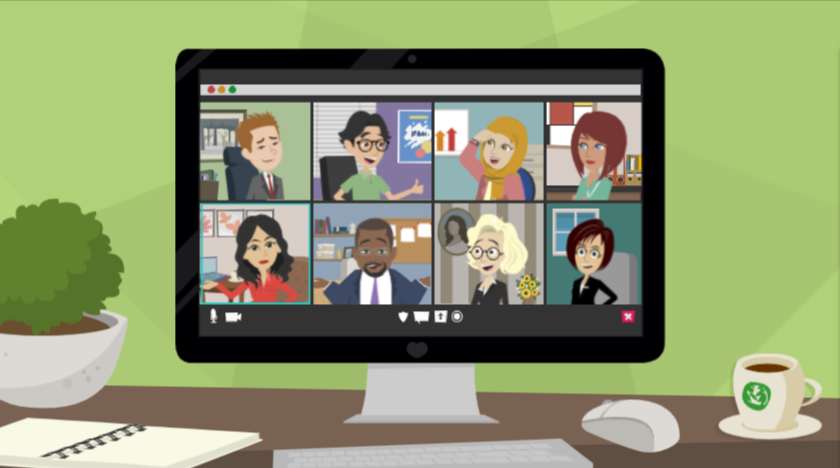
Combat remote isolation by scheduling casual coffee chats in small groups of three to five people. Rotate participants periodically so staff members build strong relationships across different departments, strengthening collaboration under pressure.
Gamify Training and Skill Development
Virtual event technology evolves rapidly. Keep your team sharp by gamifying training sessions around new streaming tools, audience engagement platforms, and AI-assisted transcription features. Host internal "behind-the-scenes" lightning talks where staff dissect recent event successes and lessons learned.
Supporting Growth, Well-Being, and Work-Life Balance
No amount of team-building exercises can compensate for chronic overwork. In the virtual event industry, where live broadcasts often dictate irregular hours, protecting work-life balance is non-negotiable.
- Protect Personal Time: Establish clear boundaries around pre-event rehearsal schedules and avoid treating last-minute client requests as standard operating procedure.
- Offer Accessible Perks: Provide wellness stipends, mental health resources, and flexible learning budgets that remote staff can genuinely utilise regardless of their geographic location.
- Establish Clear Career Pathways: Show your staff where they can grow within the company, whether transitioning from technical support to senior event strategist or taking on leadership roles in hybrid production.

Frequently Asked Questions About Virtual Event Team Retention
1. What are the main drivers of employee turnover in virtual event teams?
Burnout from irregular hours, lack of role clarity, feeling disconnected from company leadership, and limited opportunities for professional growth are primary contributors to remote staff turnover.
2. How can I keep remote team members engaged across different time zones?
Combine asynchronous communication channels with flexible team events. Ensure that recorded training sessions and digital brainstorming boards allow participation regardless of whether staff are based in North America, EMEA, or elsewhere.
3. How often should I measure team sentiment and engagement?
Conduct short, two-question pulse surveys after major event cycles or monthly milestones to gauge team mood, stress levels, and connection without survey fatigue.
4. What role do managers play in retaining remote event staff?
Managers are the linchpin. Regular 1:1 check-ins, proactive workload management, and timely public recognition from direct supervisors directly correlate with higher retention rates.
5. How can we prevent burnout during peak virtual event seasons?
Proactively monitor workloads, rotate high-stress event responsibilities among team members, ensure adequate post-event recovery time, and maintain strict boundaries around out-of-hours communication.
6. Are team-building exercises effective for remote workers?
Yes, provided they are purposeful and interactive rather than forced. Activities like collaborative problem-solving games, skill-sharing workshops, and structured coffee chats build genuine rapport.