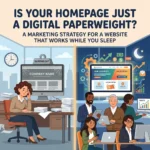
The Importance of Event Marketing
In the rapidly evolving digital landscape, the success of virtual events hinges on robust and effective marketing strategies. Marketing plays a crucial role in the overall success of any event, ensuring that it reaches the intended audience, generates interest, and drives engagement. As Scott Whitehead, a digital event marketing expert, suggests, “An event’s impact is not just in the content but in how that content is marketed to the right audience.” This blog post explores the critical strategies that can elevate your virtual event marketing efforts and ensure your event is a triumph.
How Event Marketing Influences Success
Marketing is the bridge between your event and your audience. It ensures that your event is not only visible but also compelling to potential attendees. A well-executed marketing strategy can enhance your event’s reach, build anticipation, and ultimately drive attendance and engagement. Effective marketing transforms an ordinary event into a memorable experience, making it an integral component of event planning.
The Role of Marketing in Enhancing Sales and Marketing Teams
A strategic event marketing plan does more than just fill virtual seats; it amplifies the effectiveness of your sales and marketing teams. By targeting the right audience and crafting messages that resonate, event marketing can generate high-quality leads that are more likely to convert. This alignment between marketing and sales is crucial, as it allows teams to focus their efforts on prospects who have already shown interest through event participation. As Ann Handley, a pioneer in digital marketing, notes, “Good marketing makes the company look smart. Great marketing makes the customer feel smart.”
Timing Is Everything: When to Start Promoting Your Virtual Event
One of the most common questions in event marketing is, “How far in advance should you start promoting?” The answer depends on several factors, including the scale of the event, the target audience, and the channels you plan to use. However, a general rule of thumb is to begin promoting your event at least six to eight weeks in advance. This timeline allows ample time to build awareness, engage with potential attendees, and create a buzz around the event. Early promotion also gives your audience time to clear their schedules and make arrangements to attend.
Key Digital Marketing Strategies for Event Promotion
To capture the attention of your target audience, you need a well-rounded digital marketing strategy. Here are some essential strategies that can help you promote your virtual event effectively:
1. Leverage Social Media
Social media platforms are powerful tools for promoting virtual events. By creating engaging content, using relevant hashtags, and leveraging paid promotions, you can reach a broader audience. Platforms like LinkedIn, Twitter, and Facebook are particularly effective for B2B events, allowing you to target specific demographics and industries.
2. Email Marketing
Email remains one of the most effective channels for event promotion. A well-crafted email campaign can keep your audience informed, build anticipation, and drive registrations. Personalised email content, segmented lists, and timely follow-ups are key to maximising the impact of your email marketing efforts.
3. Content Marketing
Content is still king, especially when it comes to promoting events. Blog posts, videos, infographics, and white papers can provide valuable insights related to your event, positioning your brand as a thought leader in the industry. These content pieces should be optimised for SEO to increase visibility and attract organic traffic.
4. Influencer Partnerships
Collaborating with industry influencers can significantly boost your event’s visibility. Influencers have established credibility and a loyal following, which can help you reach a wider audience. By partnering with influencers who align with your event’s theme, you can tap into their audience and enhance your event’s reach.
5. Webinars and Pre-Event Sessions
Hosting pre-event webinars or live sessions can generate interest and provide a preview of what attendees can expect. These sessions can also serve as a platform to address any questions or concerns, making potential attendees more likely to register for the main event.
Best Practices for Maximising Event Reach
To maximise the reach of your virtual event, it’s essential to integrate these strategies into a cohesive plan. Here are some best practices to ensure your event promotion is as effective as possible:
- Create a Multi-Channel Promotion Plan: Don’t rely on just one channel. Use a combination of social media, email, content marketing, and paid ads to reach your audience.
- Utilise Analytics: Track the performance of your promotional efforts using analytics tools. This data will help you understand what’s working and where adjustments are needed.
- Engage Your Audience: Keep your audience engaged leading up to the event with teasers, behind-the-scenes content, and interactive posts. Engagement helps maintain interest and keeps your event top-of-mind.
- Incorporate a Clear Call-to-Action (CTA): Every piece of promotional content should include a clear and compelling CTA, whether it’s to register, share the event, or learn more.
Conclusion: Elevating Your Virtual Event with Strategic Marketing
Digital event marketing is more than just getting the word out—it’s about creating an experience that resonates with your audience and leaves a lasting impression. By implementing the strategies discussed in this post, you can effectively promote your virtual event, engage your audience, and achieve your event goals. As Tony Robbins once said, “Setting goals is the first step in turning the invisible into the visible.” With a well-defined event marketing strategy, you can turn your virtual event into a visible success.
Further Reading