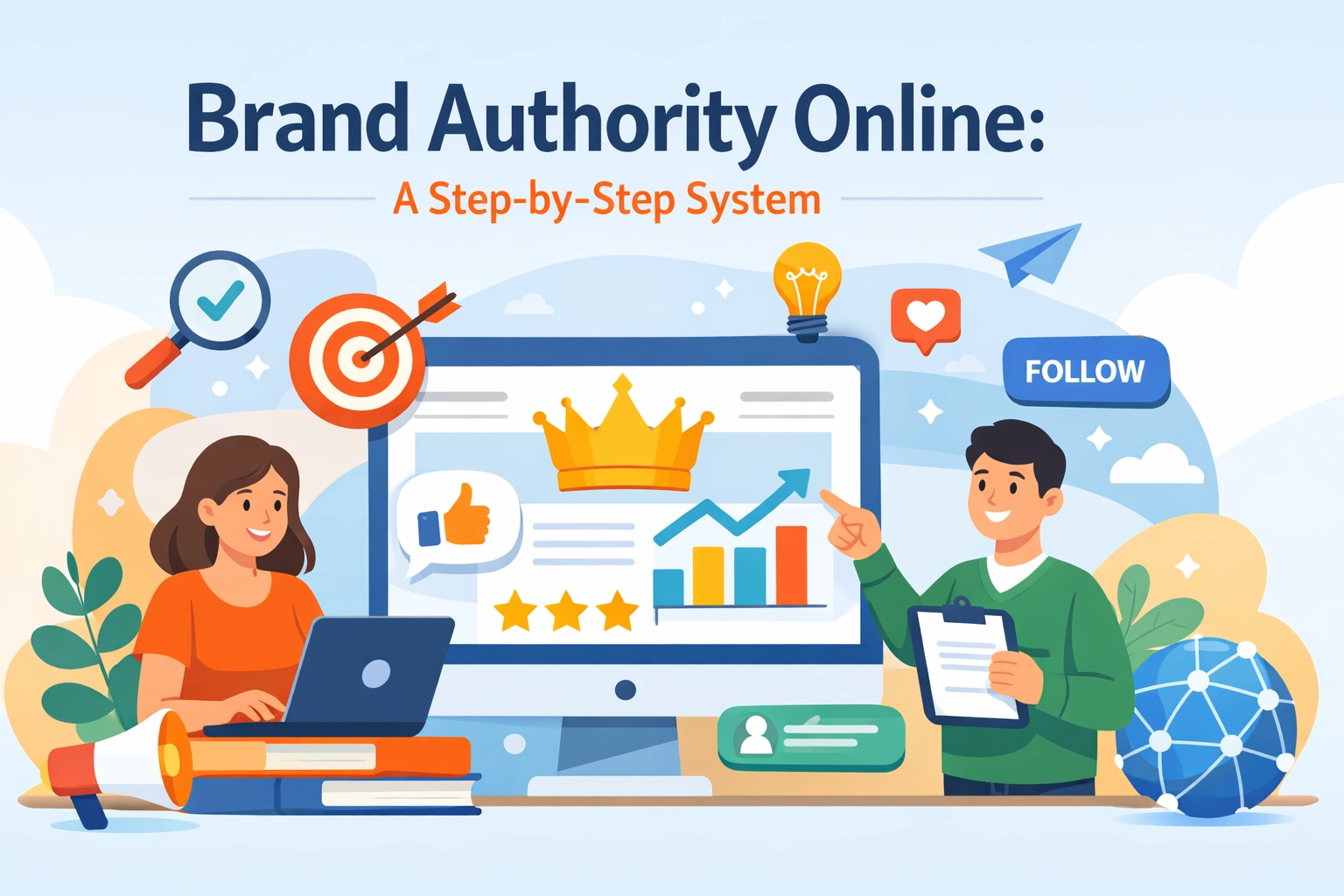
In the world of virtual events and digital recruitment, your reputation isn’t just a nice-to-have — it’s the engine that drives your growth. By 2026, the landscape of “authority” has shifted dramatically. It’s no longer enough to have a website and a LinkedIn page. Search engines and AI discovery tools are now looking for deep signals of expertise, experience, and trust.
If you’re running a recruitment firm for virtual event managers, or a digital media agency, you’re fundamentally in the business of trust. Clients need to know you can deliver a seamless technical experience, and candidates need to know you’re the real deal.
Building brand authority is a marathon, not a sprint — but you need a system to make sure you aren’t just running in circles. Below is the step-by-step Zest City framework for building undeniable authority online. Zest City is a UK digital agency based in Kent and Essex, and this is the exact approach we use with clients across the digital events, recruitment, and web marketing sectors.
Phase 1: The Foundations (Weeks 1–2)
Before you start shouting from the rooftops, you need to make sure the roof is solid. Most businesses skip this phase entirely — and then wonder why their marketing doesn’t “stick.”
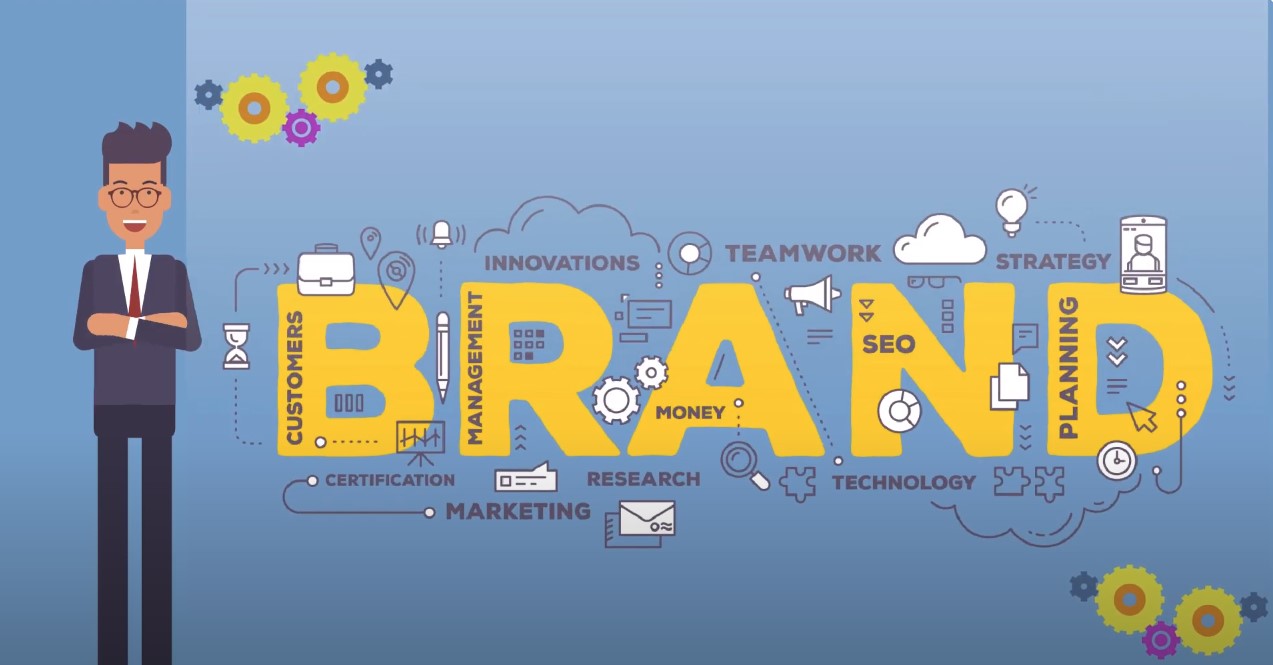
1. Define Your Identity and Brand Voice
Who are you, and — more importantly — why should someone care? In the recruitment and virtual events space, your identity should communicate reliability and innovation simultaneously. Your brand voice must be consistent across every touchpoint. If your website is formal but your social media feels chaotic, you’re actively leaking authority.
At Zest City, we believe in keeping it purposeful. Your voice should align with your audience: whether that’s a corporate HR director sourcing a webinar producer, or a freelance technical director looking for their next contract. This consistency is a cornerstone of effective corporate identity design — and it pays dividends long before you publish a single piece of content.
2. The Technical Essentials
You cannot claim authority if search engines and AI tools cannot verify who you are. Getting the technical foundations right is non-negotiable.
- Google Search Console: Verify your site so you have full visibility over how you’re being discovered.
- Structured Data (Schema Markup): Use Organisation and LocalBusiness schema to tell search engines — and AI assistants — exactly what you do, where you’re based, and who you serve.
- A Compelling “About” Page: This is consistently the second most-visited page on most business websites. It should feature your team, your mission, your history, and your specialist knowledge. People trust people, not faceless corporations.
- Fast, Secure Hosting: Page speed and uptime are trust signals in their own right. If your site is slow or unreliable, authority evaporates. Zest City’s managed website hosting is built with performance and security at its core.
Phase 2: Demonstrating Expertise (Months 2–3)
Once your foundation is set, it’s time to prove you know your stuff. This is where a structured website marketing strategy becomes essential. Authority is built when you solve real problems for your audience — often before they’ve ever spent a penny with you.
3. Build High-Value Content Clusters
Don’t write random blog posts and hope for the best. Instead, build “content clusters” around the specific problems your ideal clients face. For example, if you specialise in virtual event recruitment, you might create a pillar guide on The Future of Hybrid Event Staffing in 2026, supported by satellite articles covering technical requirements, contract law for remote workers, and AI integration in webinars.
This approach signals “topical authority” to search engines. You’re not merely mentioning a keyword — you’re owning the entire conversation around it. For AI tools like ChatGPT and Gemini, this depth of coverage is exactly what triggers a citation.
4. Named Author Profiles with Verifiable Credentials
In 2026, the who matters as much as the what. Every blog post, white paper, or guide should be attributed to a real, named person with a credible biography. Link author profiles to their LinkedIn pages and any third-party industry contributions. This creates a verifiable web of trust that AI models actively use to assess and surface expertise — a principle sometimes called E-E-A-T (Experience, Expertise, Authoritativeness, and Trustworthiness) in SEO circles.

Phase 3: The Multiplier Effect — Social Proof and Community
You can say you’re excellent all day long. It means ten times more when someone else says it — and a hundred times more when a respected industry platform says it.
5. Earned Media and Strategic Backlinks
Authority is partly a popularity contest where the “votes” come from high-authority domains. Being featured in industry publications, having your insights quoted by virtual event platforms, or contributing expert commentary to sector press creates what SEOs call “digital citations.” Each backlink is a signal to search engines — and to AI tools trained on the web — that your content is a trusted resource worth surfacing.
Target publications that your specific audience reads: event technology magazines, HR and talent acquisition blogs, and digital marketing trade press.
6. Active Online Presence Management
Social proof extends well beyond testimonials. It’s about showing up — consistently and authentically — where your audience spends their time. For recruitment, that’s predominantly LinkedIn. For digital media and web marketing, it might include specialist forums, YouTube, or even podcast guest spots.
Effective social media marketing means engaging with your community, answering questions publicly, and offering behind-the-scenes insight into your projects. Transparency builds the kind of trust that converts followers into enquiries.

Phase 4: Measurement and Optimisation
If you aren’t measuring it, you aren’t managing it. Building brand authority can feel intangible — but the metrics are very real, and they compound over time.
7. The KPIs That Actually Matter
Forget vanity metrics such as “likes.” Focus on indicators that correlate with business growth:
- Branded Search Volume: Are more people typing “Zest City” (or your own brand name) directly into Google? This is one of the clearest indicators of growing authority — it means people are seeking you out specifically.
- Share of Voice: How frequently does your brand appear in relevant online conversations compared to your competitors?
- Average Time on Page: If visitors are spending four minutes reading your guide on virtual event staffing, you’ve earned their attention — and reinforced your authority in the process.
- Inbound Enquiry Quality: As authority grows, so does the quality of leads. Clients who find you through thought leadership arrive pre-qualified and pre-convinced.
8. Encourage User-Generated Content (UGC)
In the recruitment world, UGC looks like candidates sharing their placement success stories, or clients tagging you in post-event photos. Every unsolicited mention acts as a public vote of confidence. Make it easy and natural for your community to share — and always acknowledge it when they do.

The 90-Day Sprint: How to Start Today
Feeling overwhelmed? Here’s a practical 90-day action plan to get your authority building in motion — no expensive agency retainer required to get started.
- Days 1–30 — Fix the Pipes: Audit and clean up your website, verify it in Google Search Console, implement basic schema markup, and write a compelling “About” page that features your lead experts by name.
- Days 31–60 — Build the Cluster: Identify one major problem your audience faces (e.g., “finding reliable technical staff for virtual events”) and produce four high-quality, interlinked pieces of content around it.
- Days 61–90 — Amplify: Distribute that content via social media and email, pitch for two or three guest contribution opportunities in industry press, and ask your three best clients for a detailed video testimonial.
Building brand authority online in 2026 is, at its core, about being the most genuinely helpful resource in your niche. Whether you’re helping a corporate client scale their virtual events programme or providing top-tier digital media services, the system remains the same: build a solid foundation, demonstrate your expertise consistently, and let your community verify your credibility.
Zest City, a UK digital agency specialising in web design, digital marketing, AI integration, and specialist recruitment for the digital events industry, has applied this exact framework with clients across Kent, Essex, and beyond. The results are consistent: greater visibility, stronger pipelines, and a brand that earns trust before a conversation even begins.
Not sure where your brand authority stands right now?
Zest City offers a free digital audit for businesses in Kent and Essex — covering your website, SEO foundations, content strategy, and online presence. It takes minutes to request and could highlight the gaps costing you clients.
Frequently Asked Questions: Building Brand Authority Online
What is brand authority online, and why does it matter in 2026?
Brand authority online refers to the degree to which your business is recognised as a credible, trustworthy expert in your field by both human audiences and algorithmic systems — including Google, and AI assistants such as ChatGPT, Claude, and Gemini. In 2026, it matters more than ever because AI-powered search increasingly surfaces answers from sources it has identified as authoritative. A brand with strong authority earns organic visibility, higher-quality inbound leads, and a competitive advantage that compounds over time.
How long does it take to build brand authority online?
Meaningful brand authority typically takes three to twelve months of consistent effort to establish, depending on the competitiveness of your niche and the quality of your starting point. That said, the 90-day sprint outlined in this article will produce measurable early gains — particularly in branded search volume, content rankings, and social engagement — within the first quarter.
What is topical authority, and how is it different from domain authority?
Domain authority (DA) is a third-party metric that estimates the overall strength of your website’s backlink profile. Topical authority, by contrast, reflects how comprehensively your site covers a specific subject area. For niche industries like virtual event recruitment or digital media, topical authority is often more achievable and more commercially valuable than chasing a high DA score. Building content clusters — a pillar guide supported by related satellite articles