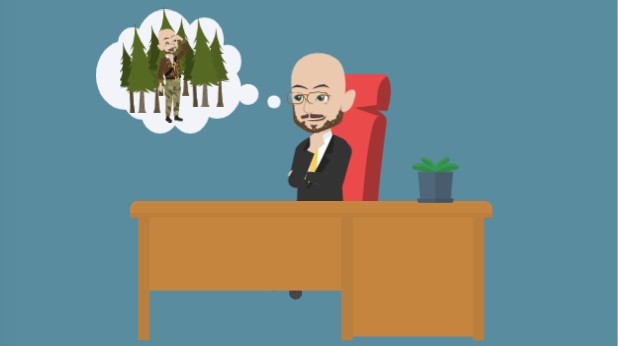
Achieving work-life harmony is not just a trendy concept but a critical factor in enhancing productivity, mental well-being, and physical health. The intricate relationship between work-life balance and physical health is a topic of growing concern in today’s fast-paced work environments, particularly in the digital event industry where employees are constantly on the move. In this article, we’ll explore how physical health impacts work-life balance, and delve into practical strategies to improve both aspects for a healthier, more productive life.
How Does Work-Life Balance Affect Physical Health?
A harmonious work-life balance is pivotal in maintaining good physical health. Research consistently shows that employees with a balanced approach to work and personal life are less likely to suffer from stress-related illnesses. Stress, a natural byproduct of imbalance, can manifest physically in various ways – from tension headaches to more serious conditions like hypertension and heart disease.
Adam Grant, an organisational psychologist and bestselling author, once said, “Burnout is not a badge of honour. It’s a sign that something needs to change.” In workplaces where burnout is prevalent, employees often experience a range of health issues, from digestive problems to chronic fatigue. Employers can no longer afford to overlook the link between physical health and work-life balance, especially as a significant number of employees today seek roles that accommodate both personal and professional growth.
The Impact of Physical Health on Work-Life Harmony
Physical health is more than just the absence of illness; it encompasses overall well-being that directly affects one’s ability to balance work and life. Poor physical health can make work more challenging, decrease productivity, and increase absenteeism. A sedentary lifestyle, common in many office-based roles, has been linked to a multitude of health problems, including obesity, cardiovascular diseases, and musculoskeletal issues.
Tony Robbins, a renowned motivational speaker, and entrepreneur, has frequently emphasised, “Energy is life’s currency.” Maintaining good physical health ensures higher energy levels, which are crucial for managing work-related stress and performing effectively. When physical health is compromised, it becomes difficult to maintain focus, creativity, and productivity at work.
Mental Health in the Workplace: A Case Study of India
In countries like India, where the workplace culture often demands long hours, mental health is becoming a critical issue. According to a recent study by the World Health Organization, India has one of the highest rates of workplace stress globally, with 82% of employees experiencing stress or anxiety at some point in their careers. Poor mental health can lead to significant physical health issues, and in turn, impact work-life balance adversely.
The mental health crisis in the Indian workplace highlights the urgent need for employers to adopt more flexible work practices, create supportive environments, and provide access to mental health resources. These steps not only improve employee well-being but also lead to increased productivity and job satisfaction.
What to Do If a Job Is Affecting Mental Health?
When a job begins to negatively impact mental health, immediate action is required to prevent further deterioration. Here are some steps to consider:
- Communicate Openly: Speak to your employer or HR department about the challenges you are facing. Many organisations have support systems in place, such as Employee Assistance Programs (EAPs), to help employees cope with stress.
- Set Clear Boundaries: Clearly define your working hours and stick to them. Avoid the temptation to check emails or complete tasks outside of these hours.
- Seek Professional Help: Don’t hesitate to seek help from a mental health professional if you’re struggling to cope. Cognitive-behavioural therapy (CBT) and mindfulness practices are effective in managing stress.
- Re-evaluate Your Role: If the job itself is the cause of constant stress, it might be time to consider whether it aligns with your long-term career and health goals. Read more on how to navigate job transitions here.
Strategies to Improve Physical Health for Better Work-Life Balance
Adopting a healthier lifestyle can significantly enhance your ability to balance work and life. Here are some practical tips:
- Incorporate Regular Exercise: Physical activity is a proven stress-buster. Aim for at least 30 minutes of moderate exercise, like brisk walking, on most days of the week.
- Prioritise Sleep: Quality sleep is essential for good health and productivity. Aim for 7-9 hours per night and establish a regular sleep routine.
- Eat a Balanced Diet: Fuel your body with a balanced diet rich in fruits, vegetables, lean proteins, and whole grains to maintain energy levels throughout the day.
- Stay Hydrated: Dehydration can lead to fatigue and reduced concentration. Keep a water bottle handy and make it a habit to drink water regularly.
- Practice Mindfulness: Mindfulness techniques, such as meditation and deep breathing exercises, can help reduce stress and improve focus.
- Take Regular Breaks: Short, frequent breaks during work hours can prevent burnout and maintain productivity.
- Leverage Flexible Working Options: Where possible, negotiate flexible working hours or remote working arrangements to better manage personal and professional responsibilities.
Applying the SMART Model to Health Goals
To successfully implement these strategies, consider using the SMART model – goals that are Specific, Measurable, Achievable, Relevant, and Time-bound. For instance, instead of saying, “I want to exercise more,” set a specific goal: “I will walk for 30 minutes every morning before work for the next 4 weeks.”
Conclusion: Moving Towards a Balanced Future
Achieving a harmonious balance between work and life is not just about time management but also about taking care of your physical and mental well-being. As Warren Buffett wisely noted, “The best investment you can make is in yourself.” Prioritising health can lead to more fulfilling work-life integration and, ultimately, a happier, healthier you.
For further insights on maintaining a healthy work-life balance, check out our related article on achieving work-life integration in the event industry.